A conservatory of twelve.
Nine months of observational drawing, painting and sculpture — from casts, from still life, and from the living model, alongside eleven other people who want the same thing.
- Length
- Nine months
- Places
- 6 adults · 6 teens
- In the studio
- Two days a week
- This year
- Began Oct 5 · join any time
- Eighteen and overAdult ConservatorySix places. Most come to it after years of wanting to and never finding anywhere serious enough. No previous formal training is required.Apply
- Fourteen to seventeenTeen ConservatorySix places, taught on their own days. A serious first school for students heading to art college — and a portfolio that shows real training.What parents ask
Two days in the studio. Two at your own easel. One class online.
You are in PennsaukenSoundPlex Studios · 6713 Rudderow Ave, Suite N, Pennsauken, NJ 08109 — about ten minutes from center city Philadelphia across the Ben Franklin Bridge, and five minutes from the Cherry Hill Mall. twice a week. The rest of the work happens where you live — which is the point of setting up a studio there, and why we help you do it.
- MondayIn studio
The Living Model
The whole day in the studio, working from a model.
- TuesdayRemote
Home Studio Study
The week's assignment, worked through in the space you've set up at home.
- WednesdayIn studio
Observation & Master Study
A model, a still life, or a master copy — the day changes with what you're working on.
- ThursdayRemote
Practice & Development
The assignment continues. Most of the hours that change your drawing happen here.
- FridayRemote
Anatomy, Perspective & Humanities
The structural knowledge behind everything you drew that week.
You learn to see, then to master the craft, then to use your own voice.
Realist training develops over time. Like an instrument, it takes repetition, patience, thoughtful correction and experienced coaching — which is why the three parts of the year have to happen in that order, and why about six weeks in, your eye changes.
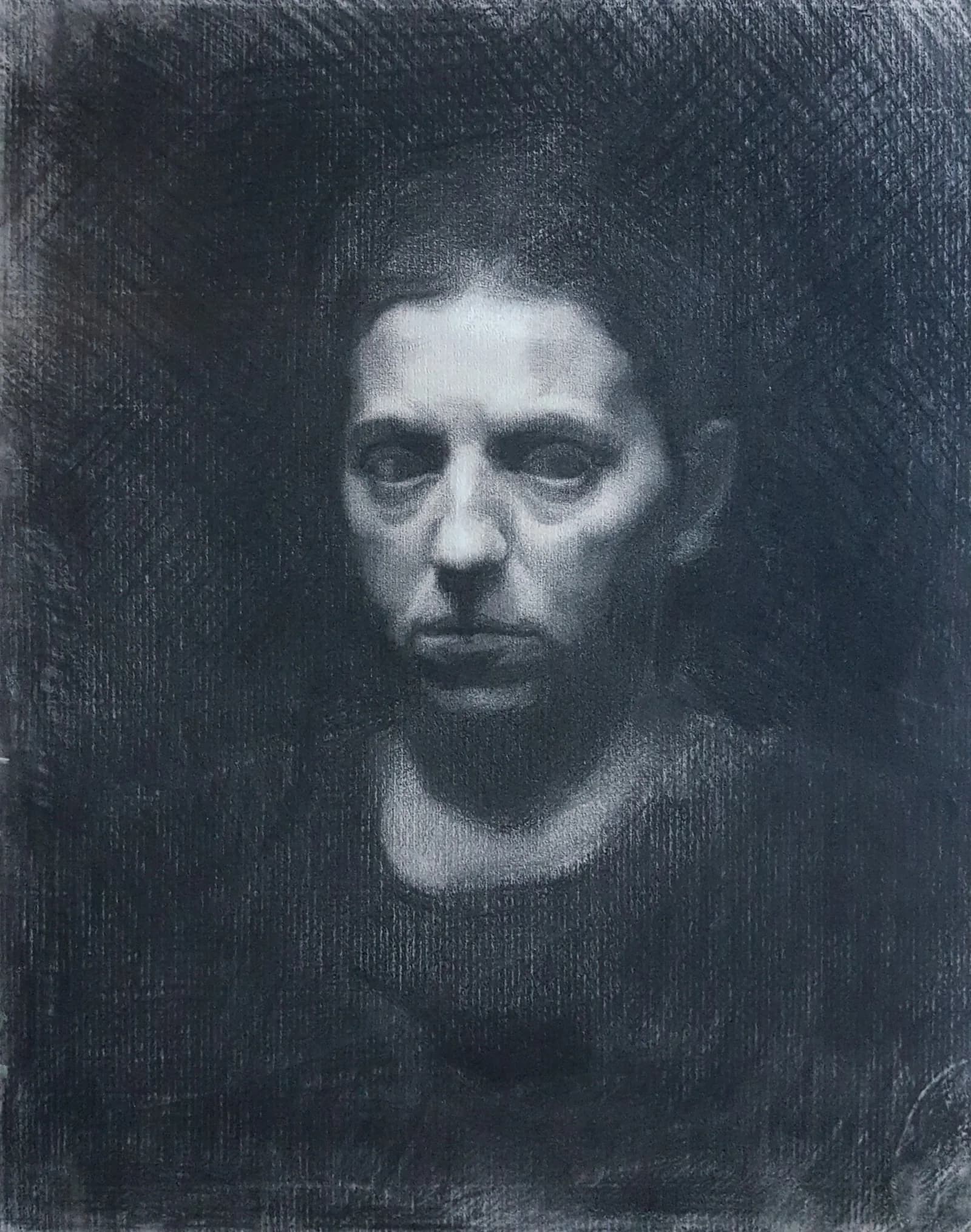 I
Train your eye
Learn to see with attention and accuracy. Through drawing, painting, and sculpting from life, study proportion, gesture, light, color, and the relationships that give form its structure. Develop the ability to distinguish what you observe from what you assume.
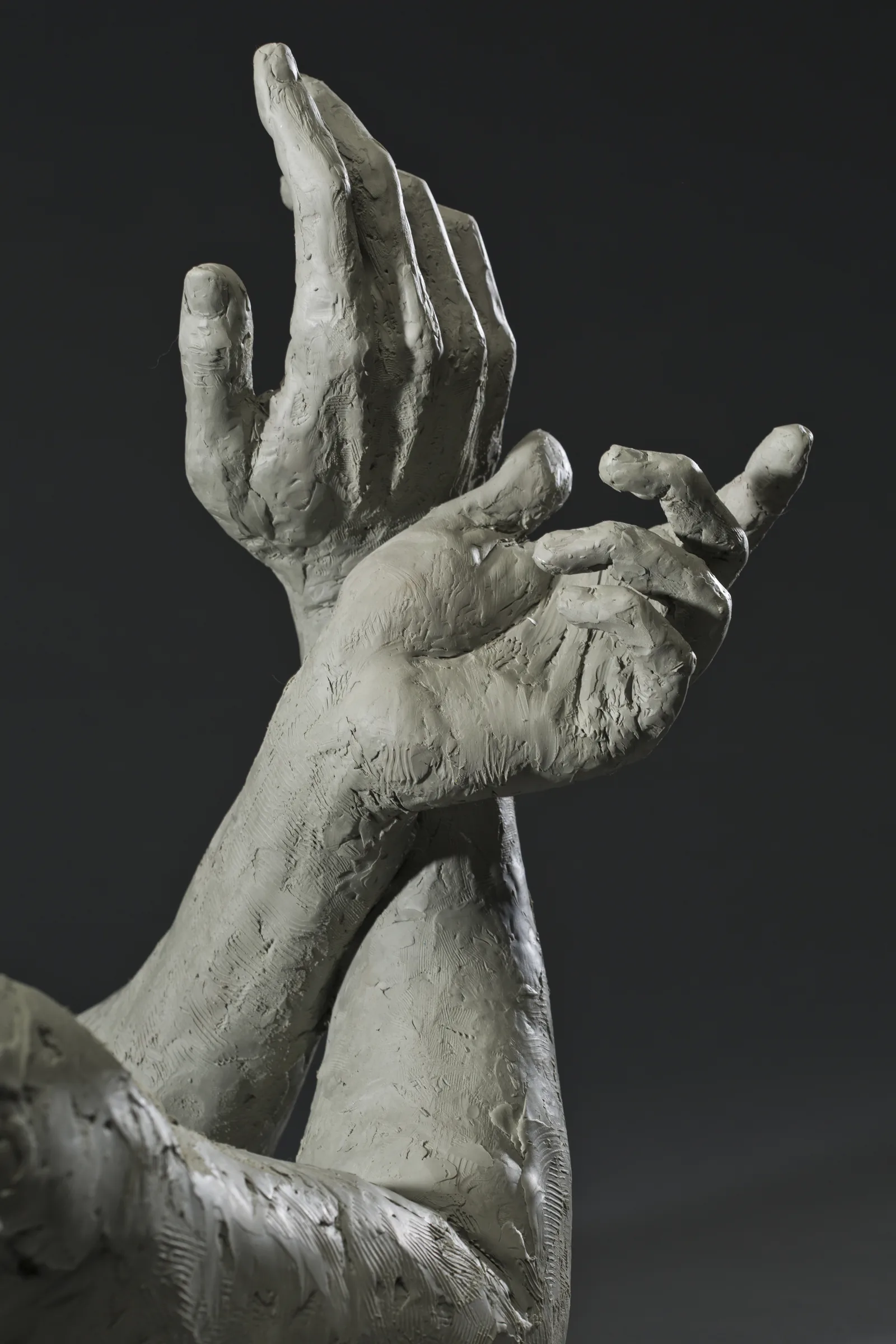 II
Understand the craft
Learn how to translate observation into drawing, painting, and sculpture. Build a practical understanding of anatomy, perspective, composition, and materials. Through disciplined practice, develop the skill and judgment to make deliberate artistic choices.
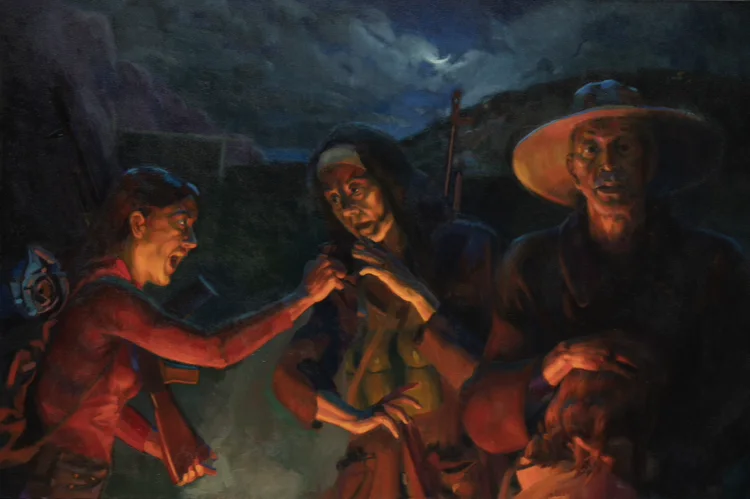 III
Use your voice
Bring your skills into conversation with your experience, imagination, and convictions. Choose subjects that matter to you, and shape their meaning through composition, gesture, color, and form. Let the traditions of realism become a language through which you contribute something of your own.
How a place is offered.
Applying is free and takes about twenty minutes. There are twelve places — six for adults, six for students aged fourteen to seventeen — and they are offered one at a time.
Send the application
Your background, what you want from the year, and five to ten examples of your work. Free, and it takes about twenty minutes.
Book the interview
Choose a time as soon as you've applied — there's no waiting to be invited. The $79 is paid when you book, and it covers the portfolio review, the processing, and the conversation itself.
You meet Lisa and Matt
Fifteen minutes, after they have read your application and looked at your work. Bring questions rather than a presentation.
A decision
Twelve places, six for adults and six for teenagers. Applying does not guarantee one — this is a real admissions process, and we would rather be honest about that now.
2026–27
The founding cohort runs short: it began in October rather than September, so the year is eight months instead of nine. That is why the tuition is lower. It still finishes with the residency in Tuscany. You may start at any point; tuition is prorated.
- The Conservatory beganYou can still join — tuition is prorated from the day you start.
- Thanksgiving break
- Winter break
- Tuscany deposit due
- Spring break
- Tuscany balance due
- Final week in the studio
- The Tuscany ResidencyThe year ends where the tradition began.See the residency
2027–28
The first full nine-month cohort, September to May. Applications are open now, and a deposit holds a place.
- Enrollment deposit due
- The 2027–28 Conservatory begins
Every price and the full calendar are on the tuition page.
Twelve places, and a real application.
Applying is free and takes about twenty minutes. Not everyone is accepted — we would rather say that now than after you have paid anything. If you would like to talk it through first, that is what the $44 conversation is for.